Connect: Mobile Minimalism to Store Level
Going from good to great.
Sometimes a good idea becomes the stepping stone for a greater one.
Connect is a B2B messaging platform for Dell sellers to communicate with customers. We explored a simplified mobile-first experience, but this player was put on the bench as business priorities shifted and another player took the field (Store Level).

Chapter 1: Mobile Minimalism
Role: Product Designer I
Timeline: Spring 2024
Team: 3 Designers
Tools: Figma, Miro, UserTesting.com
Skills: Usability Testing, A/B Testing, Usability Testing, Accessibility Reviews, Design Critiques, Interactive Prototypes, Visual Hierarchy, Responsive layouts
Goal: Understand how users wanted mobile collaboration to work and redesign the mobile experience
End-to-end process


Problem
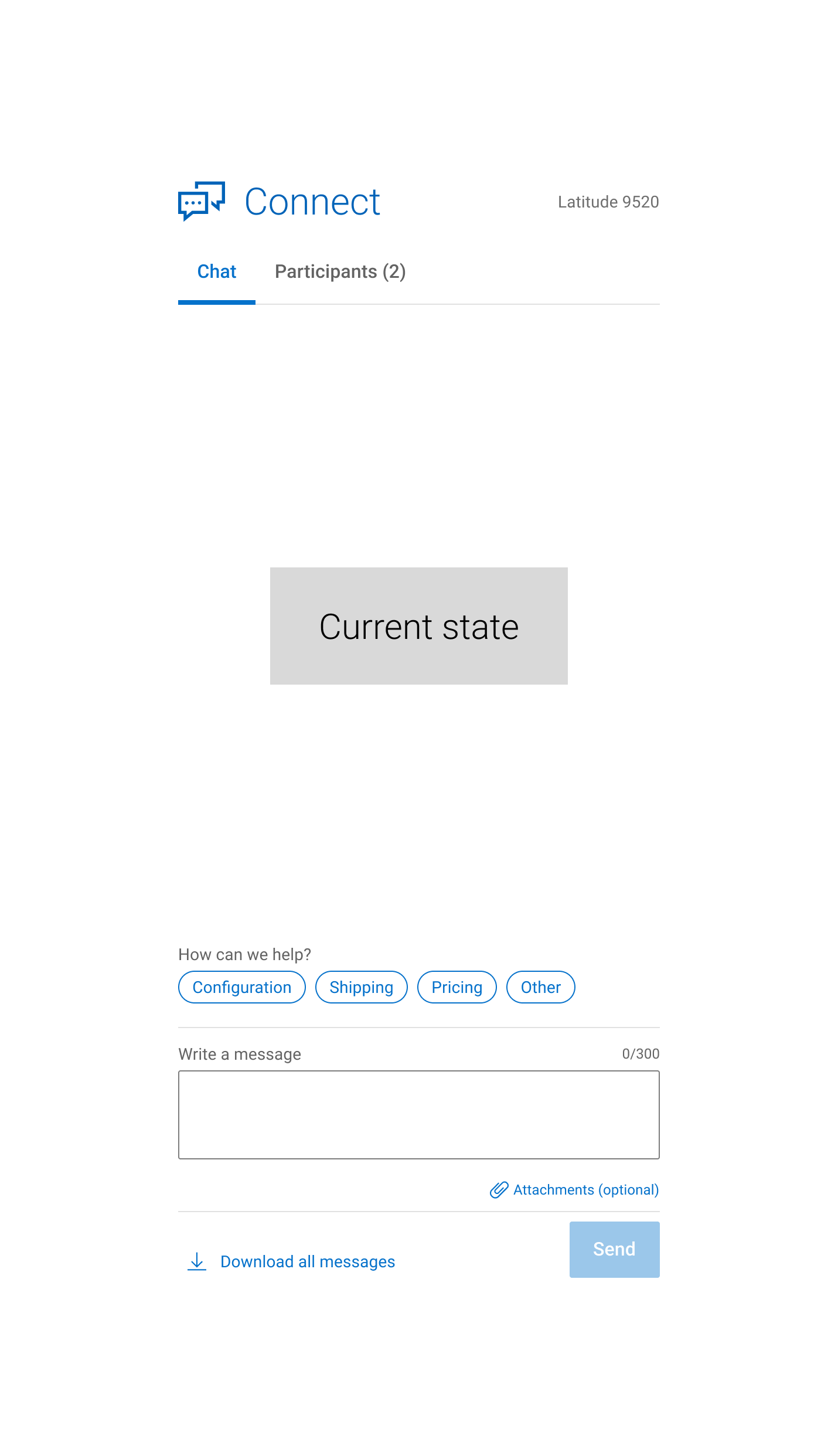
Connect was underperforming. We wanted to increase adoption so we had to figure out what needed to change. The plan was to do a feature redesign with a mobile optimization. Taking a previously web-focused application and make it minimalistic, adapting it to the mobile experience.
Research
I conducted unmoderated A/B testing, usability testing, accessibility reviews and design critiques with other designers.
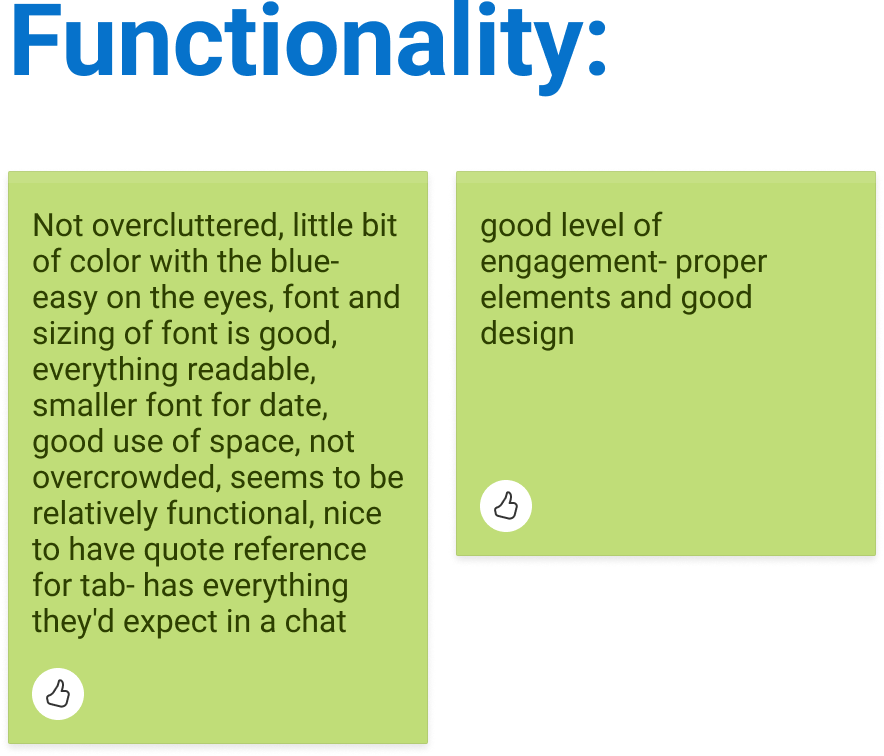
When testing, many users noted that the functionality was intuitive and there was a notable decrease in visual clutter.
Iteration
After analyzing the user responses, our team was able to iterate and improve upon our original assumptions. After making changes, we continued with multiple rounds of testing and iterating. We refined icon placement, hierarchy, and spacing across multiple versions.
Outcome
Although this Mobile Minimalism redesign wasn’t shipped, it’s research, testing, and design explorations laid the foundation for Store Level Collaboration. Continue to Chapter 2 to see how those insights evolved into a production launch
Chapter 2: Store Level Collab
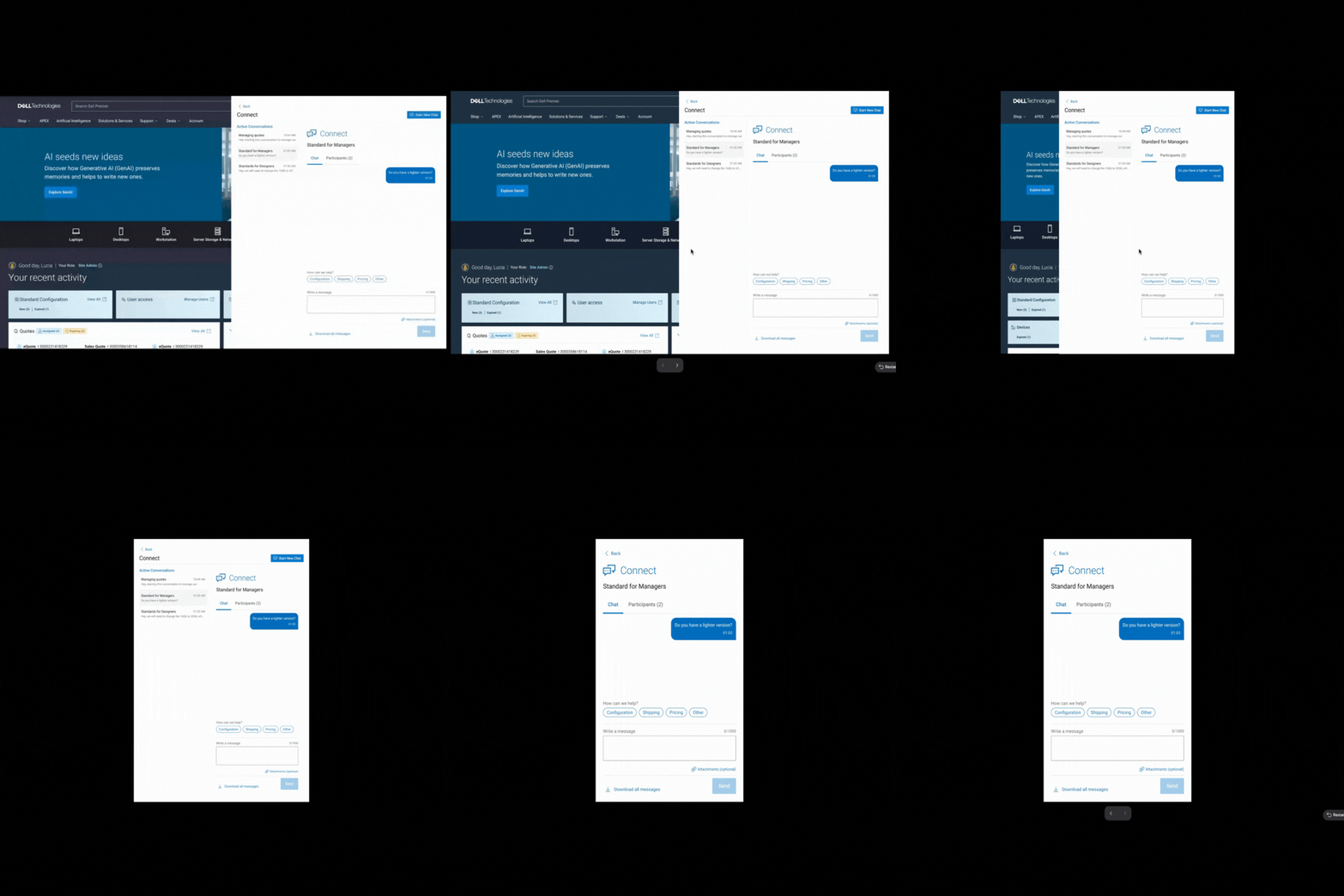
Responsive designs (desktop to mobile)
Role: Product Designer I
Timeline: Summer 2024
Team: 3 Designers
Tools: Figma, Miro, UserTesting.com
Skills: Usability Testing, A/B Testing, Accessibility Reviews, Design Share, Edge Case Designs, Interactive Prototypes, Responsive Design
Goal: Redesign the experience to enable customers and sales representative to start and manage conversations from anywhere within Dell’s Premier buying experience instead of only on individual product pages.
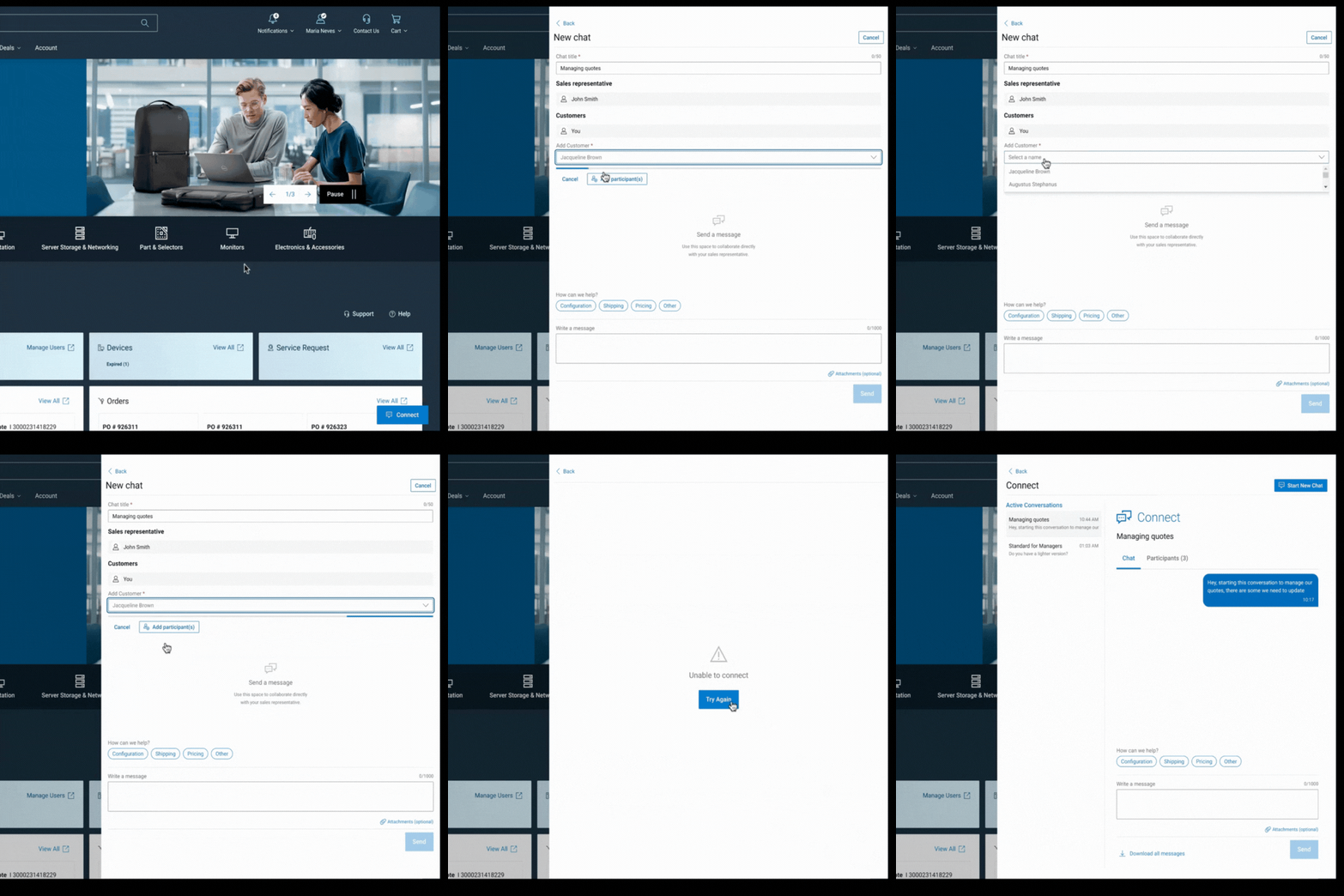
From Page to Store Level
Problem
Connect was only available from individual product pages. This meant that customer conversations couldn’t start naturally as customers navigated across Premier, this added unnecessary friction for customers and sales representatives. Stakeholders wanted Connect to become available throughout the experience.
Constraints
To meet an aggressive delivery timeline and minimize engineering effort, we built on existing design system components rather than shipping the Mobile Minimalism redesign. While those concepts remained in the backlog, many of the learnings carried forward into a solution that was simpler, scalable, and ready for production
My Approach
Instead of redesigning the experience from scratch, I focused on brand guidelines and extending existing components into a scalable Store Level collaboration experience.
When working closely with engineering, I prioritized reusable components, responsive layouts, new collaboration flows with edge cases, and developer-friendly implementation
Presented our design direction and rationale to cross-functional stakeholders during a Design Share while serving as the primary design representative in my lead designer’s absence
Outcome
Store Level MVP launched in production in Fall 2024. Available across 7,000+ US Premier Business customer stores
Created the foundation for future AI-powered collaboration features
Key Quotes
“Transforming how customers and sales representatives interact and collaborate…enabling buyers and sellers to engage in real-time or asynchronous conversations with groups of two or more users.” - Executive Summary